
History

Our history is one of growth and innovation for the common good.

1954
Carta de Lodewijk Bakker a su hijo Luis.
Carta escrita por el Sr. Lodewijk Jan Bakker a su hijo Luis Bakker Jr. invitándolo a emprender en Ecuador, donde vio muchas oportunidades en el sector de alimentos.

1957
Se constituye India, la primera compañía del grupo en el centro de Quito.

1957
Nace la primera incubadora de huevos en Panamá.
La primera incubadora permitió aumentar la producción, exportando huevos fértiles desde los Estados Unidos, un año más tarde incluyeron gallinas reproductoras lo que les permitió producir huevos fértiles y así continuar con la producción pecuaria de manera local.

1958
Construcción en Quito de la Hacienda La Estancia.
Comienza la producción avícola y de huevos en la hacienda La Estancia.

1958
Introducción de gallinas
reproductoras en Panamá
Un año más tarde en Panamá se incluyeron gallinas reproductoras, lo que les permitió producir huevos fértiles y así continuar con la producción pecuaria de manera local.

1965
Nace la empresa de incubación INCA.

1972
IV Cursillo Internacional de Avicultura.

1974
Nace Indaves con el objetivo de producir huevos.

1975
Instalación de Granja de Aves “Granada” (Puembo).

1979
Nace Mr. Pollo, constitución de Pronaca e introducción de marca.
Pronaca lanza la marca Mr. Pollo, cambiando el hábito de consumo de carne de pollo en Ecuador, al introducir un producto inocuo y sano. Se marca un hito en la industria avícola en el país. Se constituye PRONACA (Procesadora Nacional de Alimentos C. A.).

1980
Inicia producción de alimento balanceado para animales (polvo para aves y galletas para mascotas, Puembo).

1980
Nace Mr. Pavo, la primera marca en ofrecer pavos procesados.
Con la marca Mr. Pavo, se marca un nuevo hito en los hábitos gastronómicos del consumidor ecuatoriano. Los festejos de Navidad y Año Nuevo, pasan a caracterizarse por el consumo de pavo sano y delicioso.

1986
Con el lanzamiento de Gustadina, se da inicio a la diversificación de otros alimentos.
Gustadina marca un camino de diversificación importante, demostrando ese espíritu emprendedor que nos caracteriza.

1990
Inicio de operaciones en Bucay (granjas de crianza, incubadora y planta procesadora de aves).
El crecimiento de la demanda de nuestros productos avícolas, nos impulsan a realizar nuevas inversiones, esta vez con granjas y la planta de procesamiento en Bucay.

1990
Se crea Inaexpo para la producción y exportación del palmito cultivado.
Ecuador es un país eminentemente agrícola, siendo líderes mundiales en la exportación de banano y camarón. Pronaca inicia una nueva aventura con la producción y exportación de palmito cultivado. Hoy somos líderes mundiales en este rubro exportando a más de 20 países.

1992
Se lanza Mr. Chancho, la primera marca de carne de cerdo en Ecuador y se abre la planta de producción industria FRIMACA.
Siguiendo la ruta de la innovación, Pronaca revoluciona el mercado de consumo de proteína animal y especificamente de cerdo, con la marca Mr. Chancho. La introducción al mercado de una opción saludable con variedad de cortes, nos posicionan como “La Carne de Cerdo del Ecuador”.

1993
Planta de Valor Agregado en Panamá.
Debido a la creciente demanda por productos que se adaptaran al cambiante estilo de vida de los consumidores Panameños, se inaugura la Planta de Valor Agregado que, desde sus inicios de operación, se ha dedicado a elaborar una amplia gama de productos.

1994
Se inaugura la planta de embutidos en PIFO.
Continúa la diversificación, esta vez hacia productos de embutidos cárnicos. Actualmente se destaca la marca de embutidos Plumrose.

1997
Lanzamiento de productos congelados listos para calentar Mr. Cook.
Los productos congelados pasan a formar parte de un portafolio innovador, respondiendo a las nuevas necesidades de un mercado dinámico.

1997
Se crea la Unidad Educativa San Juan de Bucay y en 2005 la unidad educativa San Pedro del Valle Hermoso.
La Fundación San Luis, surge para ofrecer educación de calidad a hijos de colaboradores en zonas rurales como Bucay y Santo Domingo, convirtiéndose en un referente local. Hoy, varios de sus graduados han ganado becas en el extranjero y algunos ya trabajan en Pronaca.

2000
Construcción de complejo industrial de Durán y lanzamiento de marca Procan.
El crecimiento y la diversificación continúa. Procan es la marca pionera en lo que alimentación de mascotas se refiere. Hoy es un ícono en la categoría en donde actualmente contamos con varias marcas tanto para perros como para gatos.

2000
Se crea el mecanismo de Desarrollo Limpio.

2002
Inicia la comercialización de tilapia en el mercado local con Mr. Fish.
Una nueva proteína se suma al portafolio. Mr. Fish, incursiona en el mercado y hoy por hoy juega un rol importante en el día a día de las familias ecuatorianas.

2003
Pronaca adquiere la planta de embutidos PLUMROSE.

2007
Pronaca cumple 50 años.

2008
Se publica la primera memoria de sostenibilidad.
En el 2010, incluso antes de que exista la normativa ambiental para las empresas en el Ecuador, Pronaca inicia sus reportes de sostenibilidad, actividad que ha sido la guía para convertirnos en referentes a nivel nacional.

2010
Procat – nace marca
(producto para gatos)

2011
Creación del primer Centro de Investigación y Desarrollo de Alimentos de Mascotas en Latinoamérica.
La investigación y desarrollo juegan un papel fundamental en Pronaca, es así que en 2011 incorporamos el primer Centro de Investigación y Desarrollo de Alimentos para Mascotas en Latinoamérica.

2012
Nuevas plantas de producción en Panamá.
Motivados a seguir creciendo con el país ofreciendo innovación respaldada por tecnología de vanguardia, inicia la construcción de las 2 nuevas plantas que nos consolidan como una de las empresas líderes en el sector agrícola panameño.
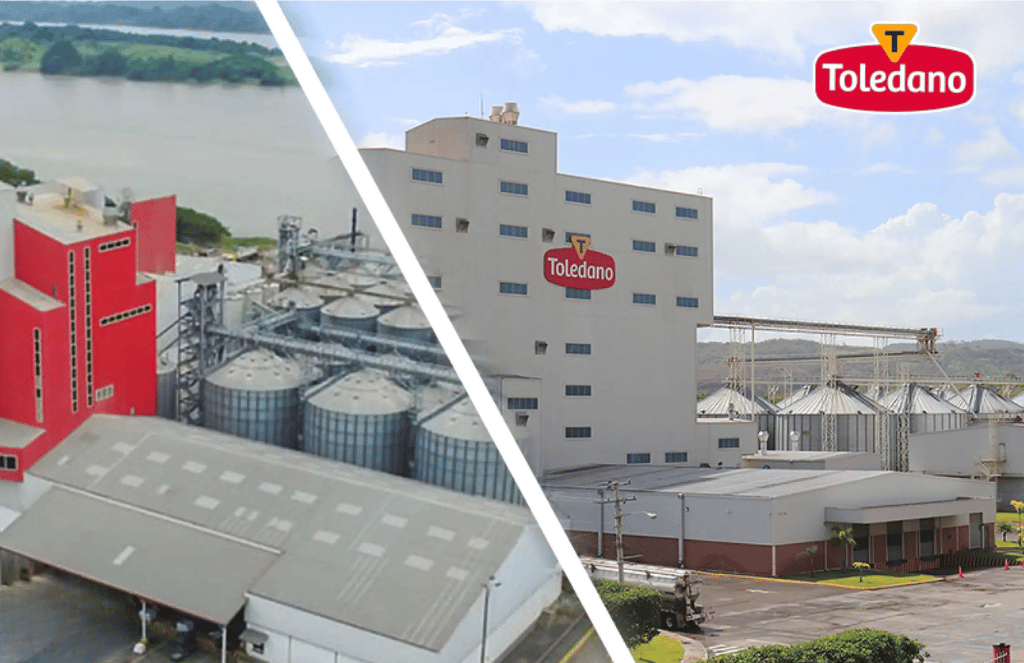
2019
Toledano se refuerza como
empresa latinoamericana.
En 2019, Pronaca se convierte en socio mayoritario de Toledano en Panamá. Juntos hemos unido conocimientos, valores y compromiso con la alimentación de este gran país.

2020
Inauguración de las franquicias sociales de la Red para la Nutrición Infantil.
Contamos con 4 franquicias sociales de la Red para la Nutrición Infantil – REDNI, en donde trabajamos con casi 300 familias para preservar los cerebros de niños que posteriormente serán el gran futuro del Ecuador.

2021
Arriendo y compra de Productivos de Avesca.

2023
Compra de Natural Heaven.